
Wasabi Powder | Wholesale Seafood seasoning | Sushi Usage | Mustard


- group name
- Custom Wasabi
- Min Order
- 10 box
- brand name
- Yinghok Food & Beverage Wholesale Manufacturer
- model
- KS-JM-01
- Nearest port for product export
- Dalian Liaoning
- Delivery clauses under the trade mode
- FOB, EXW
- Acceptable payment methods
- T/T
- update time
- Tue, 16 Jun 2026 05:02:14 GMT
Paramtents
Acidity 4.2%
Shelf life 24 months
Available sizes 1kg
Storage conditions Store in a cool, dry place away from light.
Packging & Delivery
- 55cm x33cm x22cm
-
Min Order10 box
Briefing
Premium wasabi powder with strong, fresh flavor, ideal for restaurants, sushi bars and food service.
Detailed
Brife Introdution
Horseradish powder is a powdery substance extracted from the roots of the horseradish plant and ground into fine particles. It typically appears as a tan or yellowish-brown powder with a delicate texture, featuring a strong pungent taste.
Raw Materials
Ingredients: YINGHOK horseradish powder is formed by taking horseradish as the main raw material and adding several auxiliary materials such as mustard powder.
Main Uses of Horseradish Powder
Culinary Field
Making Sauces:
It can be mixed with mustard seeds, vinegar, cream, mayonnaise, etc., to make various sauces such as horseradish mustard sauce and cream horseradish dipping sauce, which are used to pair with ingredients like meat, seafood, and vegetables to enhance the flavor. For example, mixing horseradish powder with mayonnaise and heavy cream, then adding appropriate salt and pepper, can make a delicious vegetable dipping sauce.
Marinating Ingredients: It can be used as part of the marinade to add a unique flavor to ingredients such as meat and fish. For instance, mixing horseradish powder with olive oil, lemon juice, minced garlic, etc., to make a marinade for steaks can enhance the flavor of the steaks.
Seasoning Other Dishes: Adding horseradish powder to the preparation of soups, stews, salad dressings, pickles, and other foods can enhance the overall taste and flavor. For example, adding an appropriate amount of horseradish powder when making hot and sour fern root noodles can make the taste more rich.
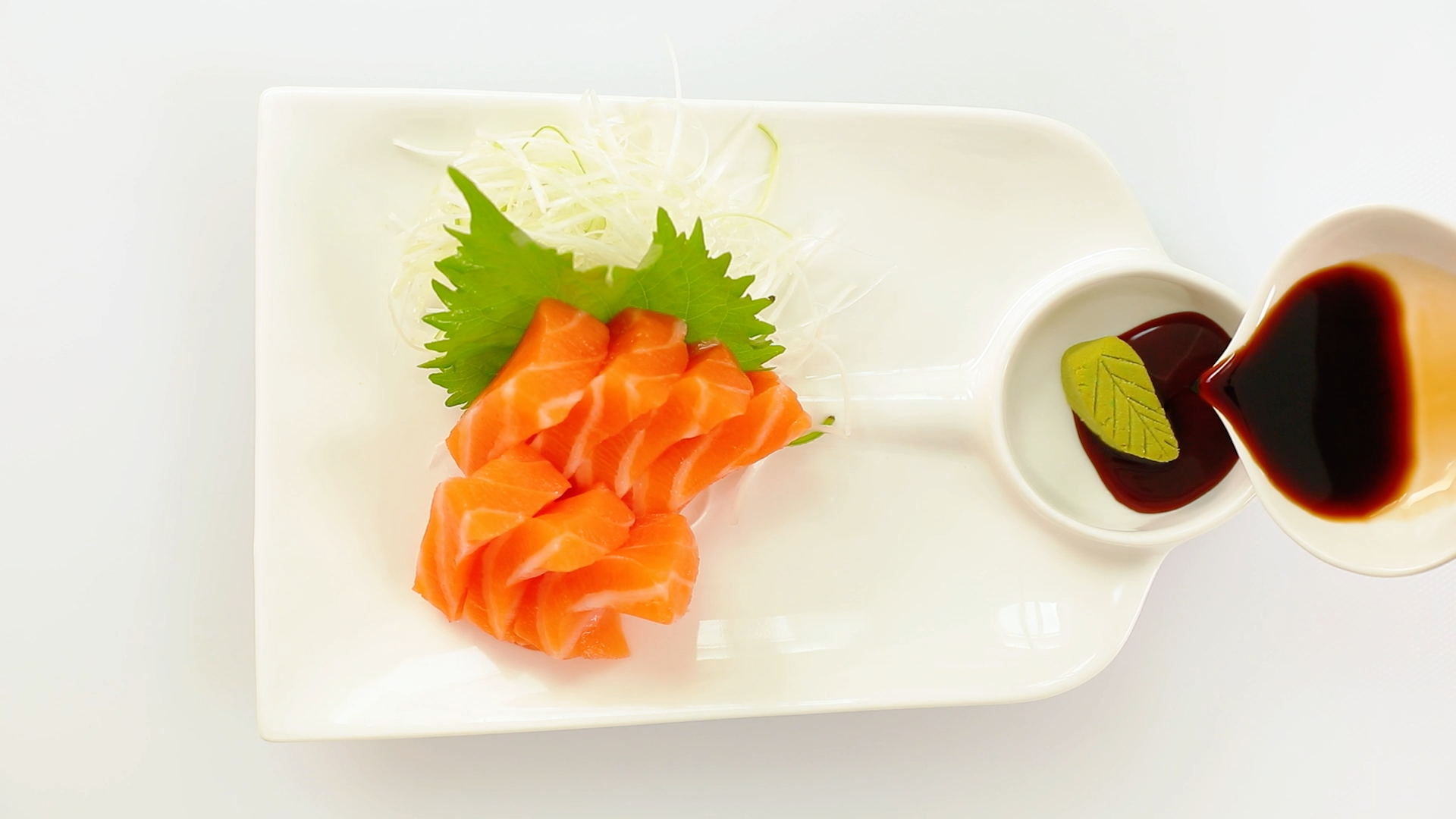
Horseradish Powder Wholesale Service
For bulk order/wholesale purchase (large-quantity requests), we offer flexible bulk pricing and dedicated support for business clients.
Note for commercial buyers: Prior to your large bulk order, we provide FREE samples of this Horseradish Powder– you only need to cover the international shipping cost.
Horseradish Powder FAQs
How long is the shelf life of Rice wine?
24 months. Kept in an airtight container away from heat, moisture, and sunlight.After opening, horseradish powder is best used within 6 to 12 months to ensure optimal flavor and quality.
Tip: To maximize freshness, use small containers for frequent use and keep the main supply sealed when not in use.
How to Determine if Opened Horseradish Powder is Still Edible?
Use the following methods to check the freshness and safety of horseradish powder after opening:
1. Visual Inspection
Color Change: Fresh horseradish powder is typically light beige or off-white. If it turns yellow, brown, or develops dark spots, it may have oxidized or spoiled.
Clumping: Slight clumping due to moisture is common, but if the powder forms hard, sticky lumps that don’t break apart easily, or shows signs of mold (such as fuzzy white, green, or black patches), discard it immediately.
2. Smell Test
Pungency: Fresh horseradish powder has a sharp, pungent aroma that may make your nose tingle. If the smell is faint, musty, or resembles old vegetables or chemicals, it has likely gone bad.
Unusual Odors: Avoid using it if it emits a sour, rancid, or fermented smell, which indicates contamination.
3. Taste Test (Caution: Use Sparingly)
Spiciness: A small pinch should taste strongly spicy and slightly bitter. If the flavor is dull, bland, or bitter in an unpleasant way, the powder has lost its quality.
Off-Flavors: Any metallic, soapy, or strange taste is a sign of spoilage.
4. Check Storage Time
If the powder has been opened for over 12 months (without refrigeration) or 18 months (refrigerated), even if it shows no obvious signs of spoilage, its flavor and pungency may have significantly declined. Err on the side of caution and replace it.
5. Texture Check
Fresh powder should feel fine and powdery. If it becomes sticky, moist, or develops a grainy texture beyond normal clumping, it has absorbed too much moisture and is at risk of spoilage.
Key Reminder:
Safety takes priority over flavor. If in doubt about any of the above signs, discard the powder to avoid potential health risks from mold or bacterial growth. Proper storage (sealed, cool, dry, and dark) can extend its usability, but visual and olfactory checks are essential for ensuring edibility.